


Focus on the research, production and sales of wooden tableware, toothpicks and coffee sticks made of birch.
How Compostable Catering Sets Can Reduce Your Environmental Footprint
How Compostable Catering Sets Can Reduce Your Environmental Footprint Understanding the Environmental Impact of Traditional Catering Supplies In today's world, the conversation surrounding sustainability has never been more urgent. Traditional catering supplies, often made from plastic and non-biodegradable materials, contribute significantly to environmental pollution. When these items are disp
Apr 02,2026
How Compostable Catering Sets Can Reduce Your Environmental Footprint
Understanding the Environmental Impact of Traditional Catering Supplies
In today's world, the conversation surrounding sustainability has never been more urgent. Traditional catering supplies, often made from plastic and non-biodegradable materials, contribute significantly to environmental pollution. When these items are disposed of, they contribute to landfill overflow and plastic pollution in our oceans, harming wildlife and ecosystems.
By understanding the impact of our choices in catering supplies, we can make informed decisions that not only support our businesses but also protect the planet. Compostable catering sets present a viable alternative that can significantly reduce our environmental footprint.
The Rise of Compostable Catering Sets
Compostable catering sets comprise items such as plates, utensils, and cups made from biodegradable materials. These products are designed to break down naturally, returning nutrients to the earth instead of contributing to landfill waste. Popular materials used in the production of compostable catering supplies include:
- **PLA (Polylactic Acid):** Derived from corn starch, PLA is a popular compostable alternative to plastic.
- **Bagasse:** Made from sugarcane pulp, bagasse is both sturdy and eco-friendly.
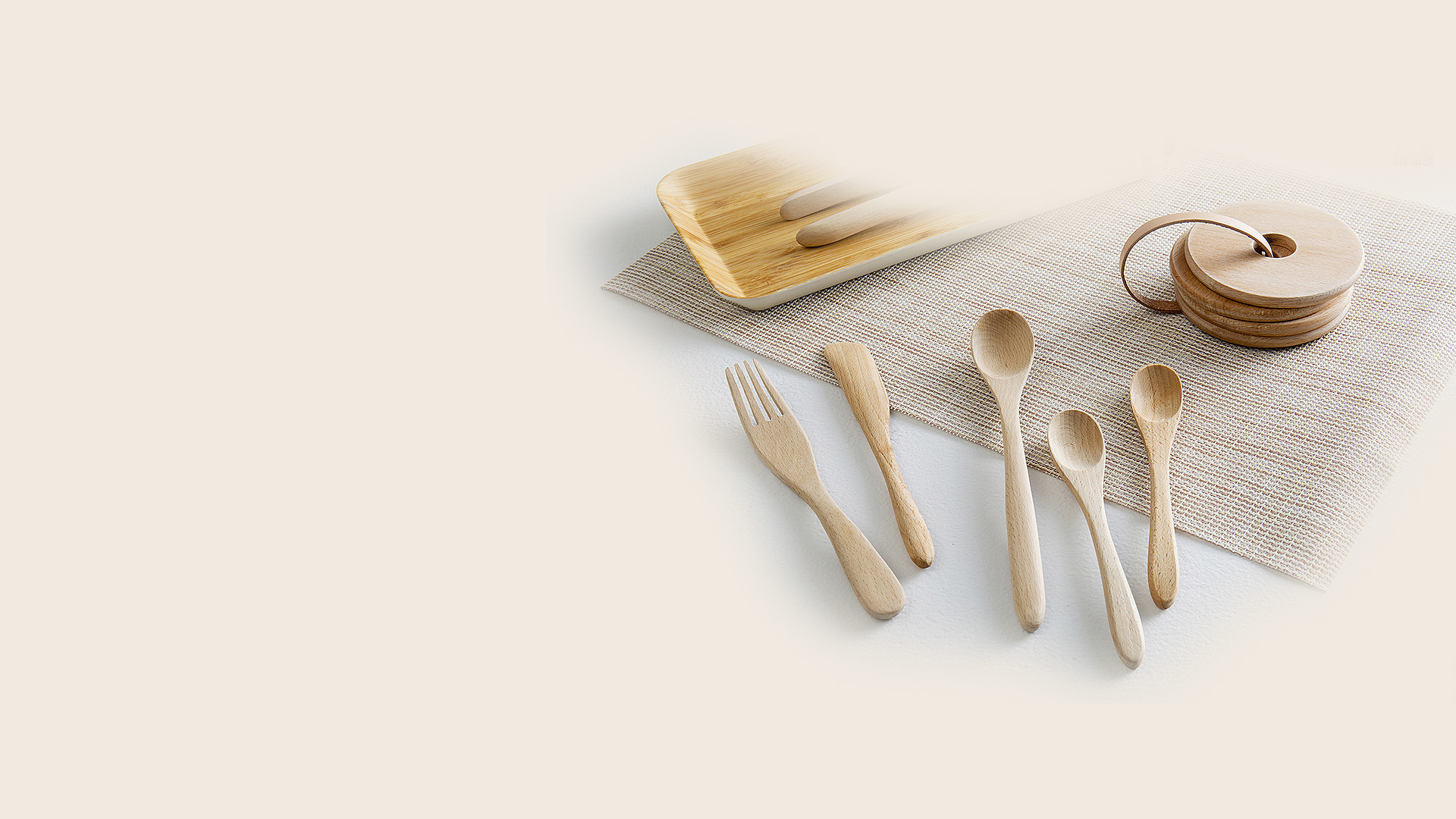
- **Wood and Bamboo:** These materials are not only compostable but also offer an attractive aesthetic for catering events.
As the demand for sustainable solutions grows, compostable catering sets are becoming widely available, making it easier for businesses to adopt eco-friendly practices.
The Benefits of Using Compostable Catering Sets
Switching to compostable catering supplies comes with numerous benefits that extend beyond reducing waste. Here are several critical advantages:
1. Environmental Protection
By using compostable materials, businesses help reduce the amount of plastic waste entering landfills and oceans. This shift diminishes the environmental footprints of catering services significantly.
2. Enhanced Brand Image
Sustainability resonates with consumers. By adopting compostable catering sets, catering businesses can showcase their commitment to environmental responsibility, which can attract eco-conscious clients and enhance brand loyalty.
3. Compliance with Regulations
Many regions are implementing strict regulations on single-use plastics. Utilizing compostable catering supplies can help businesses stay ahead of legislation, ensuring compliance and avoiding potential fines.
4. Cost-Effectiveness in the Long Run
While the initial investment in compostable materials may be higher than traditional plastic, the long-term savings in waste management and disposal costs can offset the initial expenditure.
5. Supporting a Circular Economy
Compostable catering sets contribute to a circular economy where materials are reused, recycled, and composted, minimizing waste and promoting sustainability.
How to Choose the Right Compostable Catering Set
Selecting the appropriate compostable catering set requires careful consideration of several factors:
1. Material Composition
Evaluate the materials used in the catering supplies. Look for certifications indicating the product is genuinely compostable and made from renewable resources.
2. Functional Requirements
Consider the types of food and beverages that will be served. Ensure that the chosen set can handle hot, cold, and moist items without compromising integrity.
3. Aesthetic Appeal
Catering events often focus on presentation. Opt for compostable catering supplies that not only perform well but also look appealing to enhance the dining experience.
4. Supplier Reputation
Research suppliers to find reputable companies providing high-quality compostable options. Customer reviews and sustainability certifications can guide your decision.
Practical Tips for Implementing Compostable Catering Sets
Adopting compostable catering sets is a step toward sustainability, but implementation requires planning. Here are practical tips for making the transition:
1. Educate Your Staff
Training staff on the importance of compostable materials and proper disposal methods ensures that everyone is on board with the initiative.
2. Collaborate with Local Composting Facilities
Establish partnerships with local composting facilities to ensure that used catering supplies are disposed of correctly and can be composted.
3. Promote Your Eco-Friendly Practices
Communicate with your clients about the eco-friendly initiatives your business is undertaking. Use social media, websites, and marketing materials to highlight your commitment to sustainability.
4. Monitor and Evaluate
Track the impact of switching to compostable catering supplies. Evaluate customer feedback and environmental benefits to assess the effectiveness of the change.
Real-World Examples of Successful Implementation
Numerous catering businesses have successfully transitioned to compostable catering sets, setting an example for others in the industry. Here are a few notable case studies:
1. Green Plates Catering
Green Plates Catering, based in California, has embraced compostable materials across its entire service. The company has reported a 50% reduction in waste and has garnered praise from clients for its sustainability efforts.
2. Eco-Friendly Events
An event planning company focused on sustainability, Eco-Friendly Events, exclusively uses compostable catering sets. Their clients appreciate the commitment to reducing environmental impact, leading to increased business and positive word-of-mouth referrals.
3. Local Community Events
Community-organized events that utilize compostable catering supplies have reported lower waste disposal costs and positive feedback from attendees. This has encouraged more community gatherings to adopt similar practices.
Challenges and Considerations in Adopting Compostable Catering Sets
While the benefits are numerous, transitioning to compostable catering sets may present challenges that businesses must navigate:
1. Cost Considerations
While long-term savings exist, the initial higher costs of compostable materials can be a barrier for some businesses. Budgeting for these expenses is essential for a smooth transition.
2. Customer Awareness
Not all customers may understand the importance of compostable materials. Educating consumers about the benefits can help increase acceptance and support for the initiative.
3. Availability and Supply Chain Issues
Ensure that reliable suppliers are available to meet your business's needs for compostable catering supplies. Consistent supply is crucial for seamless operations.
The Future of Compostable Catering Supplies
As environmental concerns gain traction, the future of compostable catering supplies looks bright. Innovations in material development and increased consumer demand will continue to drive this industry forward. Sustainability will no longer be a trend but a standard practice in catering and food service industries.
Conclusion
The transition to compostable catering sets is not just a trend; it represents a vital movement toward sustainability in the catering industry. By reducing our reliance on non-biodegradable materials, we can significantly diminish our environmental footprints. The benefits of compostable supplies extend beyond environmental impact, enhancing brand reputation and meeting regulatory standards. As we embrace these eco-friendly alternatives, we pave the way for a more sustainable future, demonstrating that catering can be both stylish and environmentally responsible. Embracing compostable catering sets is an essential step in fostering a healthier planet for future generations.
FAQs
1. What are compostable catering sets made from?
Compostable catering sets can be made from materials such as PLA (polylactic acid), bagasse (sugarcane pulp), wood, and bamboo.
2. How do I dispose of compostable catering supplies properly?
Compostable catering supplies should be disposed of in a composting facility or a designated compost bin, following local regulations.
3. Are compostable catering sets more expensive than traditional supplies?
Yes, the initial cost of compostable catering sets may be higher, but they can lead to savings in waste management in the long run.
4. Can I use compostable catering sets for hot food and beverages?
Many compostable materials are designed to withstand hot food and beverages, but it is essential to check the specifications before use.
5. How can I educate my customers about the benefits of compostable materials?
Use marketing materials, social media, and direct communication to inform customers about the environmental benefits and your commitment to sustainability.
Previous article:
Latest Developments

Harbin Hanlan Wood Industry Co., Ltd.
Address:Kaohecun, Xingfuzhen, Xiangfang District, Harbin City, Heilongjiang Province




Submit your requirements
Please fill in the form below, our staff will contact you within 24 hours and solve your problem as soon as possible.
E-mail:
Whatsapp:
Inquiry:
在线客服添加返回顶部
右侧在线客服样式 1,2,3 1
图片alt标题设置: 记得修改:公司名称
表单验证提示文本: Content cannot be empty!
循环体没有内容时: Sorry,no matching items were found.
CSS / JS 文件放置地