


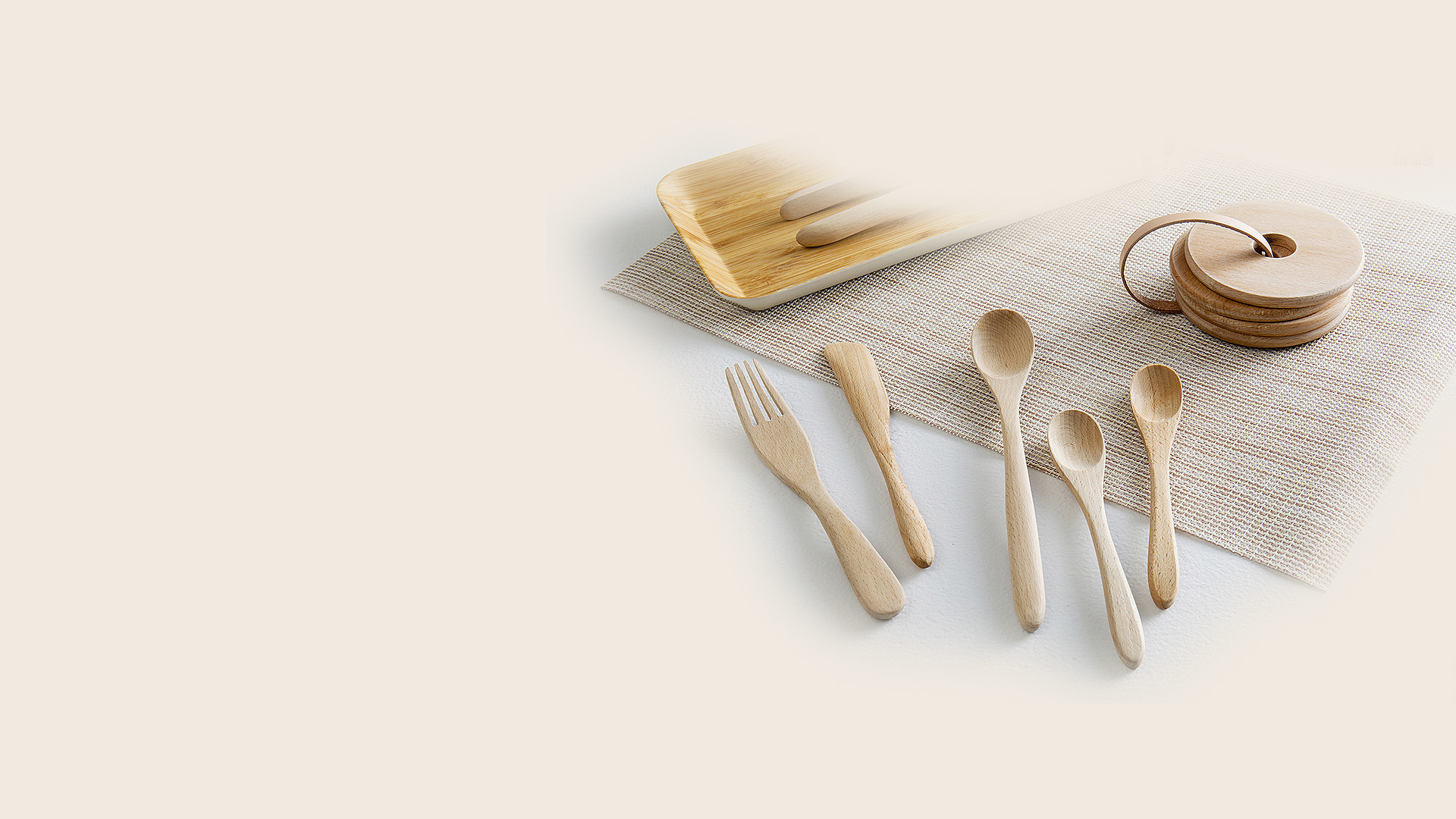
Focus on the research, production and sales of wooden tableware, toothpicks and coffee sticks made of birch.
Understanding Eco-Friendly Stirrers: A Sustainable Choice for Modern Needs
In recent years, the push for sustainability has permeated various sectors, including the chemical and rubber industries. One notable product gaining traction in this movement is eco-friendly stirrers. These are not just ordinary stirring tools; they represent a commitment to reducing environmental impact and supporting a greener future. Eco-friendly stirrers are typically made from renewable reso
Mar 30,2026
Eco-friendly stirrers are typically made from renewable resources, such as bamboo, wood, or biodegradable plastics. Unlike traditional plastic stirrers, which contribute significantly to global plastic pollution, these alternatives break down naturally over time, minimizing their ecological footprint. This is particularly crucial in industries like chemical and rubber manufacturing, where the use of sustainable materials is becoming increasingly important.
One of the primary benefits of eco-friendly stirrers is their contribution to waste reduction. Since many of these stirrers are compostable, they can be disposed of without adding to the growing landfills that plague our planet. This aligns with the broader goals of many companies striving to adopt more sustainable practices, including reducing single-use plastics in their operations.
Additionally, eco-friendly stirrers can offer the same functionality as their non-biodegradable counterparts. For example, wooden stirrers are sturdy and reliable, making them a great choice for mixing various substances in manufacturing processes. The versatility of these stirrers means they can be used in a variety of applications, from food and beverage industries to laboratory settings.
Moreover, using eco-friendly stirrers can enhance a company’s image, appealing to consumers who prioritize sustainability. Businesses that incorporate these environmentally friendly options can position themselves as leaders in responsible manufacturing practices, which can lead to increased customer loyalty and a competitive edge in the market.
It's also essential to consider the lifecycle of eco-friendly stirrers. Unlike traditional plastic options, which require fossil fuels for production and can take hundreds of years to decompose, sustainable stirrers often involve less energy-intensive manufacturing processes. This not only reduces carbon emissions but also conserves natural resources.
In conclusion, the adoption of eco-friendly stirrers presents a multifaceted opportunity for industries, particularly in the chemical and rubber sectors. By choosing these sustainable alternatives, companies can play a vital role in reducing environmental impact while maintaining functionality and efficiency in their operations. As consumers become more environmentally conscious, the demand for such products is likely to continue rising, making it essential for companies to adapt and innovate in their product offerings. Embracing eco-friendly stirrers is not just a trend; it is a meaningful step toward a sustainable future.
Latest Developments

Harbin Hanlan Wood Industry Co., Ltd.
Address:Kaohecun, Xingfuzhen, Xiangfang District, Harbin City, Heilongjiang Province




Submit your requirements
Please fill in the form below, our staff will contact you within 24 hours and solve your problem as soon as possible.
E-mail:
Whatsapp:
Inquiry:
在线客服添加返回顶部
右侧在线客服样式 1,2,3 1
图片alt标题设置: 记得修改:公司名称
表单验证提示文本: Content cannot be empty!
循环体没有内容时: Sorry,no matching items were found.
CSS / JS 文件放置地