

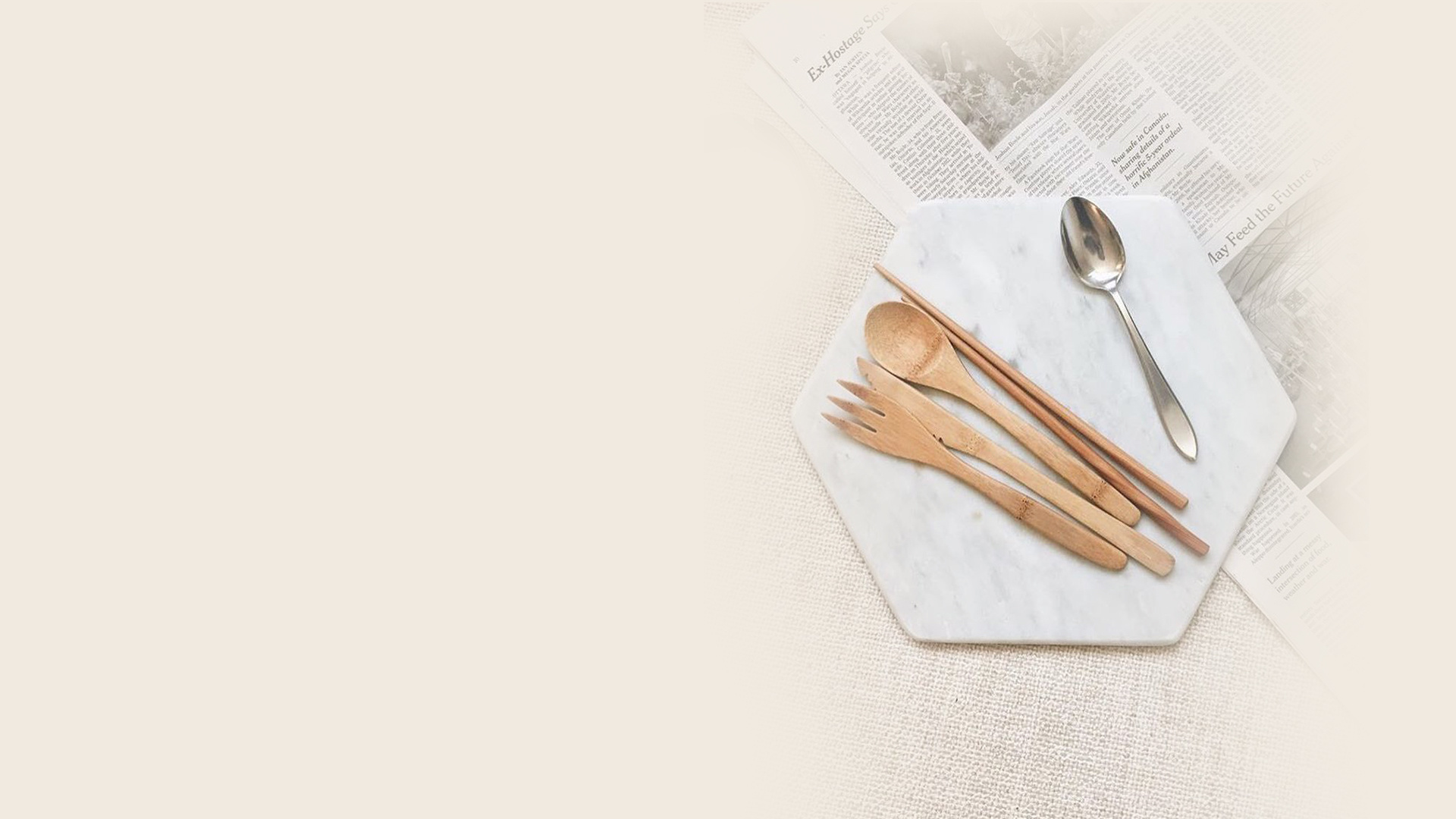
Focus on the research, production and sales of wooden tableware, toothpicks and coffee sticks made of birch.
Sustainable Choices: Comparing Compostable Wooden Spoons and Other Utensils for Eco-Friendly Living
Sustainable Choices: Comparing Compostable Wooden Spoons and Other Utensils Table of Contents Introduction to Sustainable Utensils The Importance of Sustainability in Everyday Choices What Are Compostable Wooden Spoons? Benefits of Using Compostable Wooden Spoons Comparing Compostable Wooden Spoons with Other Utensils Plastic Utensils Metal Ute
May 14,2026
Sustainable Choices: Comparing Compostable Wooden Spoons and Other Utensils
Table of Contents
- Introduction to Sustainable Utensils
- The Importance of Sustainability in Everyday Choices
- What Are Compostable Wooden Spoons?
- Benefits of Using Compostable Wooden Spoons
- Comparing Compostable Wooden Spoons with Other Utensils
- The Environmental Impact of Different Utensils
- How to Choose the Right Utensil for Your Needs
- Conclusion: Making Sustainable Choices
- FAQs about Compostable Wooden Spoons and Other Utensils
Introduction to Sustainable Utensils
In recent years, the push for sustainability has gained momentum, impacting every facet of our lives—from the food we eat to the products we use daily. One area where conscious consumerism is particularly evident is in the choice of utensils. As disposable items that are often used once and discarded, utensils have a significant impact on the environment. This article compares **compostable wooden spoons** with other alternatives, helping you make informed, sustainable choices.
The Importance of Sustainability in Everyday Choices
Sustainability isn't just a buzzword; it's a critical necessity for the health of our planet. Everyday choices, such as the utensils we use, contribute to larger environmental issues. The production and disposal of conventional plastic utensils lead to pollution, waste, and resource depletion. By opting for sustainable alternatives like compostable wooden spoons, we can reduce our carbon footprint and promote a healthier ecosystem for future generations.
What Are Compostable Wooden Spoons?
**Compostable wooden spoons** are utensils made from sustainably sourced wood, designed to break down naturally in composting environments. Unlike traditional plastic utensils, which can take hundreds of years to decompose, compostable wooden spoons return to the earth within months. They are often produced from materials like birch or bamboo, making them not only eco-friendly but also sturdy and appealing for various dining occasions.
Benefits of Using Compostable Wooden Spoons
Choosing compostable wooden spoons offers numerous benefits:
1. Eco-Friendly
Wooden spoons decompose rapidly and can enrich soil when composted, unlike plastic that contributes to landfill overflow.
2. Biodegradable
Being derived from natural materials, these spoons break down into organic matter, making them an ideal choice for environmentally-conscious consumers.
3. Aesthetic Appeal
The natural wood grain provides a rustic charm, enhancing the visual presentation of food, especially in casual or outdoor dining settings.
4. Safe for Food Contact
Compostable wooden spoons are often free from harmful chemicals found in some plastics, offering a safer option for food preparation and consumption.
5. Versatility
Suitable for both hot and cold dishes, wooden spoons can be used in various culinary contexts, from serving to cooking.
Comparing Compostable Wooden Spoons with Other Utensils
When evaluating the sustainability of compostable wooden spoons, it’s crucial to compare them with other common utensil options.
Plastic Utensils
Plastic utensils are widely used due to their convenience and low cost. However, they are made from petroleum-based resources and can take up to 1,000 years to decompose in landfills. Additionally, they can release harmful chemicals into the environment during production and disposal.
Metal Utensils
Metal utensils, such as stainless steel, are durable and reusable, making them an excellent sustainable choice. However, they require energy-intensive production and may not be practical for single-use scenarios, like picnics or large events.
Bamboo Utensils
Bamboo utensils are another eco-friendly option, known for their rapid growth and minimal environmental impact. They are biodegradable and often marketed as compostable. However, their durability and cost may vary compared to compostable wooden spoons.
Biodegradable Plastic Utensils
Biodegradable plastic utensils are designed to break down faster than traditional plastics. However, they still require specific conditions to decompose effectively, often found in commercial composting facilities. Additionally, they may still contribute to plastic pollution if not disposed of correctly.
The Environmental Impact of Different Utensils
Understanding the environmental footprint of various utensils is vital for making informed choices.
Plastic Utensils
Plastic utensils contribute significantly to ocean and land pollution. Millions of tons of plastic enter waterways each year, harming marine life and ecosystems. Their production is energy-intensive, adding to greenhouse gas emissions.
Metal Utensils
While metal utensils are durable and can last a lifetime, their production is energy-consuming and often involves mining practices that can damage ecosystems. However, their reusability mitigates some of these impacts.
Bamboo Utensils
Bamboo has a lower environmental impact as it grows quickly and requires little water or pesticides. However, the processing and transportation of bamboo can contribute to emissions.
Compostable Wooden Spoons
Compostable wooden spoons, especially when sourced from sustainable forests, have a minimal environmental impact. Their production is less energy-intensive than plastic, and they can enrich the soil when composted.
How to Choose the Right Utensil for Your Needs
When selecting utensils, consider the following factors:
1. Purpose
Determine whether the utensils will be used for daily meals, special occasions, or outdoor events. This will help you decide between single-use and reusable options.
2. Environmental Impact
Research the sustainability of the materials used in the utensils. Opt for products that are certified as eco-friendly.
3. Cost
Evaluate your budget. While compostable wooden spoons may be slightly more expensive than plastic, the long-term environmental benefits can outweigh the initial costs.
4. Aesthetic Preferences
Consider the design and appearance of the utensils. A well-designed utensil can enhance the dining experience.
5. Availability
Check local stores or online retailers for availability. Many sustainable options are becoming easier to find, but variety can still be limited in some areas.
Conclusion: Making Sustainable Choices
In conclusion, the choice between compostable wooden spoons and other utensils is paramount for promoting sustainability. **Compostable wooden spoons** offer a range of benefits, including biodegradability, versatility, and aesthetic appeal. While alternatives like metal and bamboo utensils have their advantages, their environmental impact may still be significant. By understanding the nuances of each option, we can make informed choices that align with our commitment to a healthier planet.
FAQs about Compostable Wooden Spoons and Other Utensils
1. Are compostable wooden spoons safe for food use?
Yes, compostable wooden spoons are generally considered safe for food contact as they are often free from harmful chemicals found in plastics.
2. How long does it take for compostable wooden spoons to decompose?
Compostable wooden spoons can decompose within a few months in a composting environment, depending on factors like temperature and moisture.
3. Can I use compostable wooden spoons for hot foods?
Yes, compostable wooden spoons are suitable for both hot and cold foods, making them versatile for various dining situations.
4. Where can I buy compostable wooden spoons?
Compostable wooden spoons can be found at many grocery stores, eco-friendly shops, and online retailers specializing in sustainable products.
5. Are there any downsides to using compostable wooden spoons?
While compostable wooden spoons are eco-friendly, they may not be as durable as metal utensils, requiring careful handling to prevent breakage during use.
By making conscious choices regarding the utensils we use daily, we can contribute to a more sustainable future. Adopting compostable wooden spoons is a step in the right direction toward minimizing waste and promoting environmental health.
Previous article:
Next article:
Latest Developments
Harbin Hanlan Wood Industry Co., Ltd.
Address:Kaohecun, Xingfuzhen, Xiangfang District, Harbin City, Heilongjiang Province




Submit your requirements
Please fill in the form below, our staff will contact you within 24 hours and solve your problem as soon as possible.
E-mail:
Whatsapp:
Inquiry:
在线客服添加返回顶部
右侧在线客服样式 1,2,3 1
图片alt标题设置: 记得修改:公司名称
表单验证提示文本: Content cannot be empty!
循环体没有内容时: Sorry,no matching items were found.
CSS / JS 文件放置地