

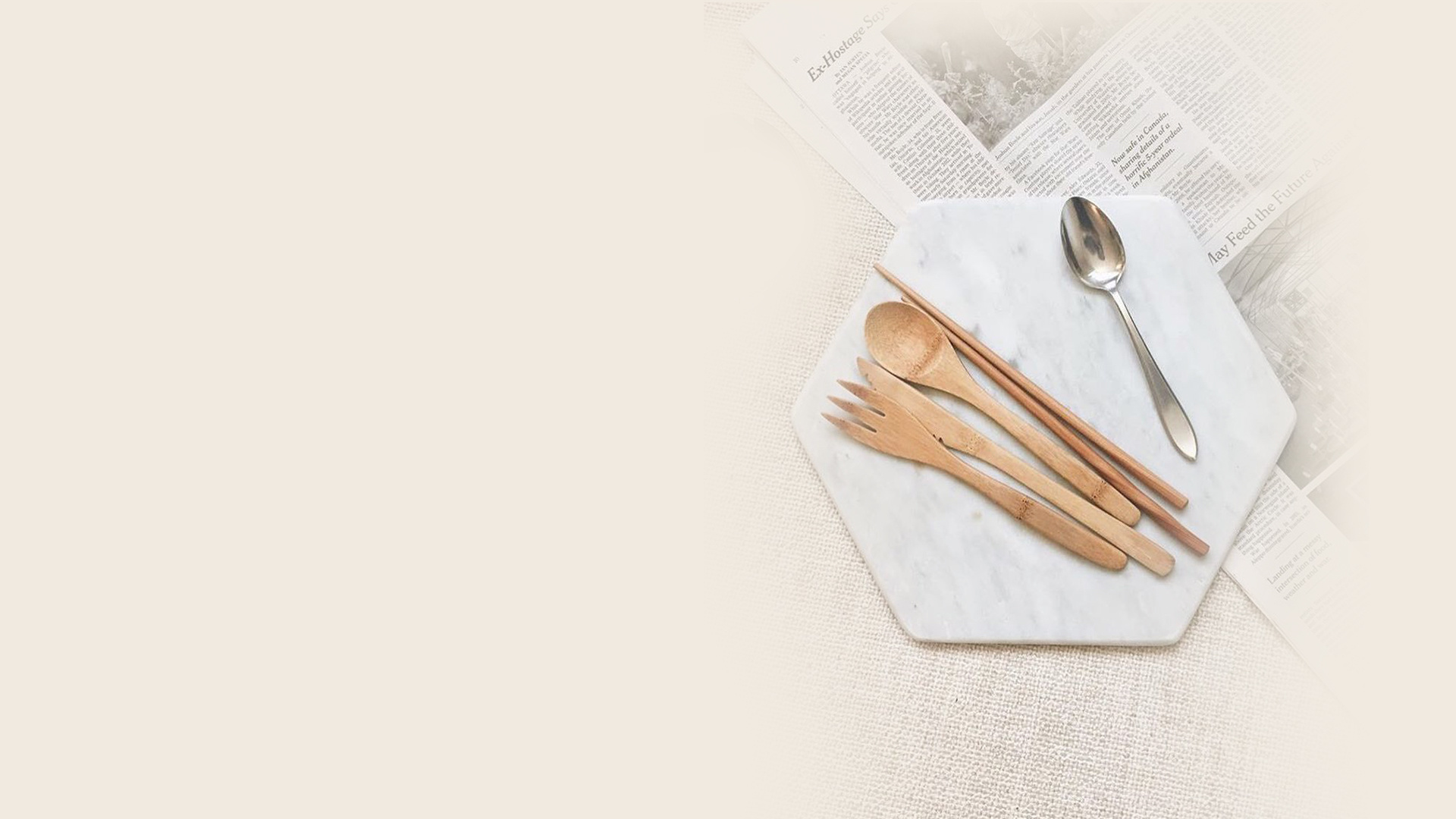
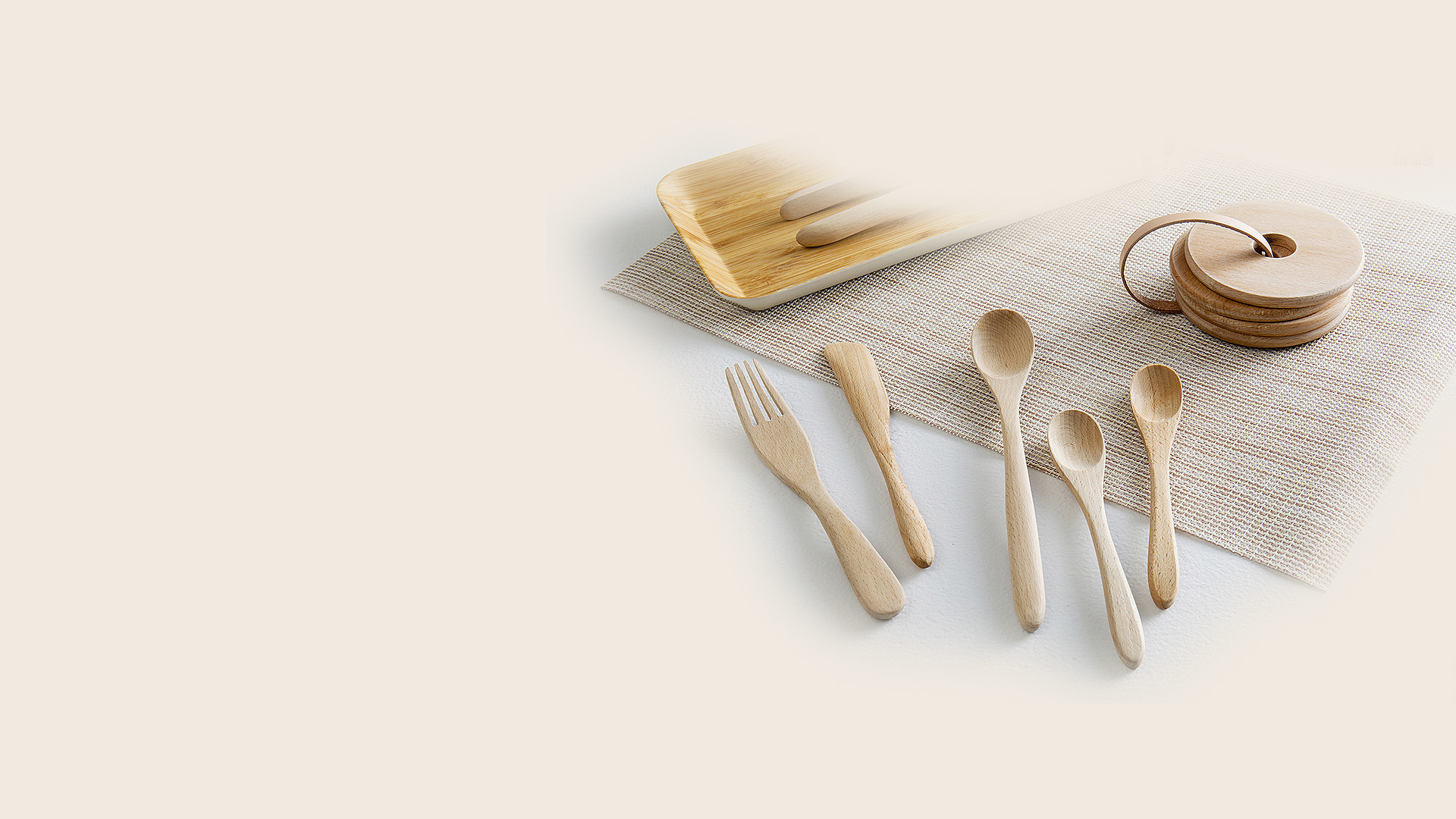
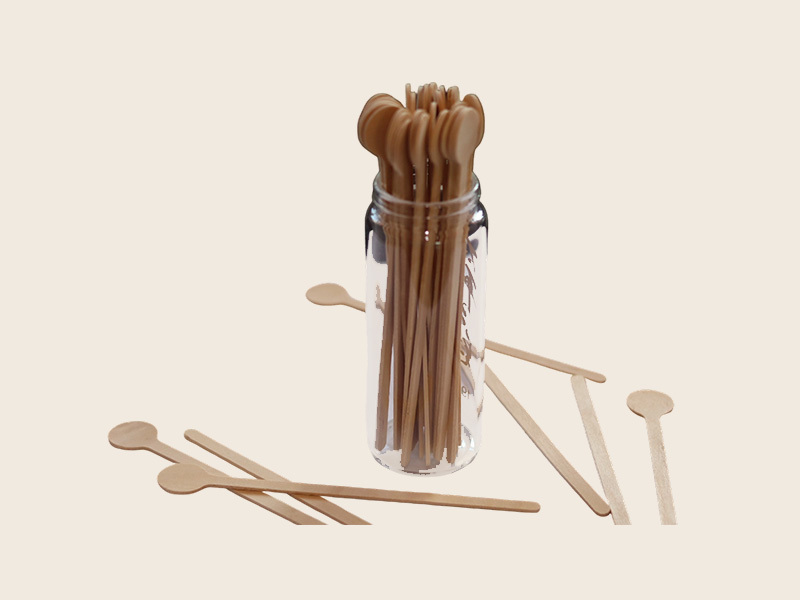
Focus on the research, production and sales of wooden tableware, toothpicks and coffee sticks made of birch.
Innovative Catering: Unleashing the Power of Compostable Dinnerware Sets
Innovative Catering: Unleashing the Power of Compostable Dinnerware Sets Table of Contents 1. Introduction to Compostable Dinnerware 2. The Benefits of Using Compostable Dinnerware Sets 2.1 Environmental Impact 2.2 Cost-Effectiveness 2.3 Health and Safety 3. Types of Compostable Dinnerware 3.1 Materials Us
Apr 26,2026
Innovative Catering: Unleashing the Power of Compostable Dinnerware Sets
Table of Contents
- 1. Introduction to Compostable Dinnerware
- 2. The Benefits of Using Compostable Dinnerware Sets
- 3. Types of Compostable Dinnerware
- 4. Applications in the Catering Industry
- 5. Best Practices for Implementing Compostable Dinnerware
- 6. Challenges and Considerations
- 7. Frequently Asked Questions
- 8. Conclusion
1. Introduction to Compostable Dinnerware
In recent years, the catering industry has witnessed a significant shift toward sustainability. One of the most impactful changes has been the rise of compostable dinnerware sets. These innovative products provide a practical solution for catering businesses seeking to reduce their environmental footprint while still delivering high-quality dining experiences. With an increasing number of consumers prioritizing eco-friendly options, understanding the value of compostable dinnerware is crucial for catering professionals.
2. The Benefits of Using Compostable Dinnerware Sets
2.1 Environmental Impact
The first and foremost advantage of compostable dinnerware sets is their positive environmental impact. Unlike traditional plastic or Styrofoam options, which can take hundreds of years to decompose, compostable materials break down into nutrient-rich compost within months when disposed of correctly. This transformation not only reduces landfill waste but also enriches soil, promoting healthier ecosystems.
2.2 Cost-Effectiveness
While the initial investment in compostable dinnerware may seem higher than conventional options, the long-term cost-effectiveness becomes apparent when considering disposal fees, environmental regulations, and consumer preferences. Many businesses are finding that incorporating compostable sets leads to reduced waste management costs and increased customer loyalty. Moreover, as demand for sustainable products grows, the prices for compostable materials are likely to decrease, making them more accessible for catering services.
2.3 Health and Safety
Food safety is paramount in the catering industry, and compostable dinnerware offers an added layer of health assurance. Many compostable products are made from natural materials that do not leach harmful chemicals into food, unlike some plastic alternatives. This feature not only protects the health of consumers but also aligns with the growing trend of health-conscious dining.
3. Types of Compostable Dinnerware
3.1 Materials Used in Compostable Sets
Compostable dinnerware can be crafted from various materials, each offering unique benefits. Some common materials include:
- **PLA (Polylactic Acid):** Derived from cornstarch or sugarcane, PLA is a popular choice for biodegradable plates and utensils.
- **Bagasse:** This fibrous byproduct of sugarcane processing is both sturdy and compostable, making it ideal for food containers.
- **Palm Leaf:** Naturally fallen leaves from palm trees can be molded into bowls and plates, providing an elegant and eco-friendly option.
3.2 Designs and Customization Options
The versatility of compostable dinnerware extends to its design and customization. Catering businesses can choose from a range of styles, colors, and textures, enabling them to create a unique dining experience. Many suppliers also offer branding options, allowing businesses to print logos or designs directly on the dinnerware, adding a personal touch to events.
4. Applications in the Catering Industry
4.1 Catering for Events
From weddings to corporate gatherings, compostable dinnerware can elevate the presentation of any event. Using eco-friendly options not only enhances the aesthetic appeal but also aligns with the values of environmentally-conscious clients. By incorporating stunning compostable sets into their offerings, catering businesses can attract a broader clientele.
4.2 Food Trucks and Pop-ups
Food trucks and pop-up restaurants are increasingly adopting compostable dinnerware to showcase their commitment to sustainability. With consumers seeking quick yet eco-friendly dining solutions, these businesses can stand out from the competition by serving delicious meals in stylish, compostable containers. This strategy not only attracts customers but also fosters loyalty among environmentally-minded patrons.
5. Best Practices for Implementing Compostable Dinnerware
Successfully integrating compostable dinnerware into a catering business requires careful planning and execution. Here are some best practices to consider:
- **Educate Staff:** Ensure that your staff understands the importance of using compostable sets and how to properly dispose of them.
- **Promote Transparency:** Communicate the eco-friendly aspects of your dinnerware to customers. Highlighting your commitment to sustainability can enhance your brand image.
- **Partner with Composting Facilities:** Collaborate with local composting facilities to ensure proper disposal of used dinnerware. This partnership can help streamline the composting process and enhance your business’s sustainability efforts.
6. Challenges and Considerations
While the benefits of compostable dinnerware are significant, there are challenges to consider:
- **Availability and Sourcing:** Finding reliable suppliers for high-quality compostable sets can be challenging. It is crucial to research and establish relationships with reputable vendors.
- **Consumer Awareness:** Educating customers about the importance of compostable products is essential for fostering a culture of sustainability. Consider providing informational materials at events to promote understanding.
- **Cost Management:** Balancing the costs associated with compostable materials while maintaining competitive pricing can be a challenge. Careful financial planning and budgeting can help mitigate these concerns.
7. Frequently Asked Questions
Q1: Are compostable dinnerware sets more expensive than traditional options?
A1: While the initial cost of compostable sets may be higher, the long-term savings on waste management and increased customer loyalty can make them cost-effective.
Q2: How long does it take for compostable dinnerware to decompose?
A2: Compostable dinnerware typically decomposes within 60 to 90 days in a commercial composting facility, depending on environmental conditions.
Q3: Can compostable dinnerware be recycled?
A3: Compostable dinnerware is not recyclable in traditional recycling streams. Proper disposal should be in composting facilities for effective breakdown.
Q4: Are there any health concerns associated with compostable dinnerware?
A4: Most compostable materials are made from natural substances and do not leach harmful chemicals, making them a safe option for food service.
Q5: How can I promote my use of compostable dinnerware to customers?
A5: Utilize social media, website content, and event promotions to highlight your commitment to sustainability and the benefits of compostable dinnerware.
8. Conclusion
The shift toward compostable dinnerware sets represents a significant advancement in the catering industry, marrying functionality with sustainability. By embracing these innovative products, catering businesses can enhance their offerings, attract eco-conscious clientele, and contribute to environmental preservation. As we move forward, the adoption of compostable dinnerware is not merely a trend but a necessary evolution that aligns with the growing demand for responsible, sustainable practices in the food service sector. Embrace this change and discover the transformative power of compostable dinnerware for your catering business.
Previous article:
Latest Developments
Harbin Hanlan Wood Industry Co., Ltd.
Address:Kaohecun, Xingfuzhen, Xiangfang District, Harbin City, Heilongjiang Province




Submit your requirements
Please fill in the form below, our staff will contact you within 24 hours and solve your problem as soon as possible.
E-mail:
Whatsapp:
Inquiry:
在线客服添加返回顶部
右侧在线客服样式 1,2,3 1
图片alt标题设置: 记得修改:公司名称
表单验证提示文本: Content cannot be empty!
循环体没有内容时: Sorry,no matching items were found.
CSS / JS 文件放置地